Assess your manual journal exposure
Manual journals are a normal part of the close. The risk comes from how they are executed.
Late approvals, spreadsheet-based calculations, reliance on key individuals and offline evidence quietly increase close pressure and audit exposure. Many organizations underestimate this risk because it does not appear in system diagrams or automation counts. It shows up during close.
Take a short diagnostic to assess how manual journal execution is impacting your close and where exposure is building.
Take the assessment

Why take this assessment?
The journal automation exposure index focuses on close behavior rather than tools or perceived automation levels.
By answering a small set of targeted questions, you’ll understand whether manual journals are introducing timing risk, approval friction, rework or key-person dependency, and how severe that exposure really is.
The assessment translates these signals into a clear, executive-ready exposure score.
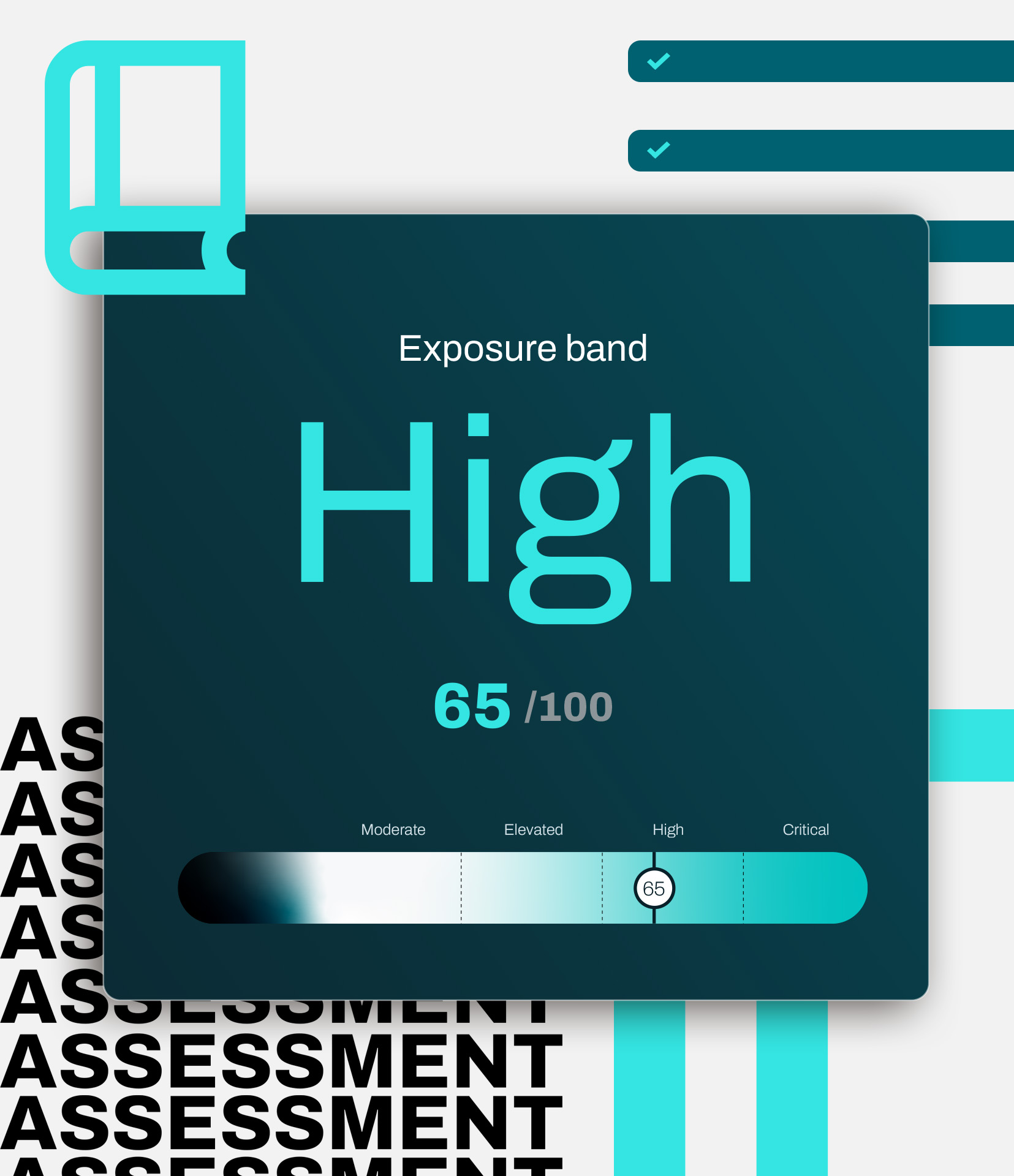
Many finance teams believe manual journals are manageable until close pressure exposes hidden dependencies. Complete the assessment to receive:
- A structured diagnostic of how manual journals are executed during close
- A quantified exposure score (0–100) and risk classification
- Insight into the primary driver contributing most to exposure
- An executive summary explaining what the results mean for close stability and control
- Clear direction on where targeted automation or process change will have the greatest impact
Take the journal automation exposure index to understand how exposed your close really is and where intervention will matter most.
Solutions
Company

© 2026 All Rights Reserved
